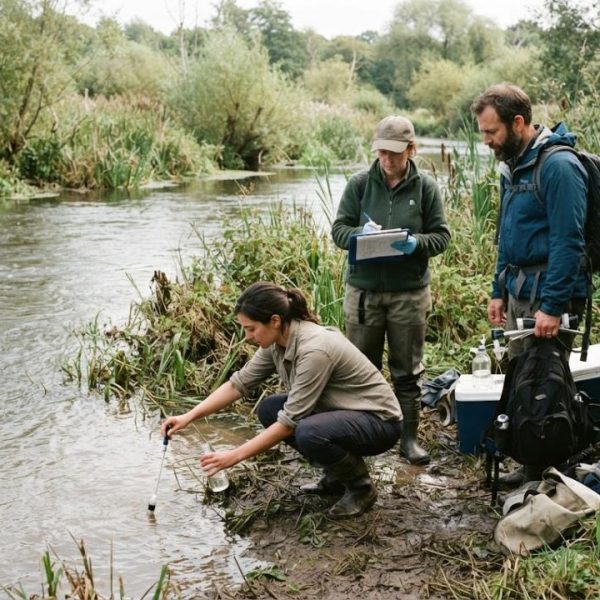
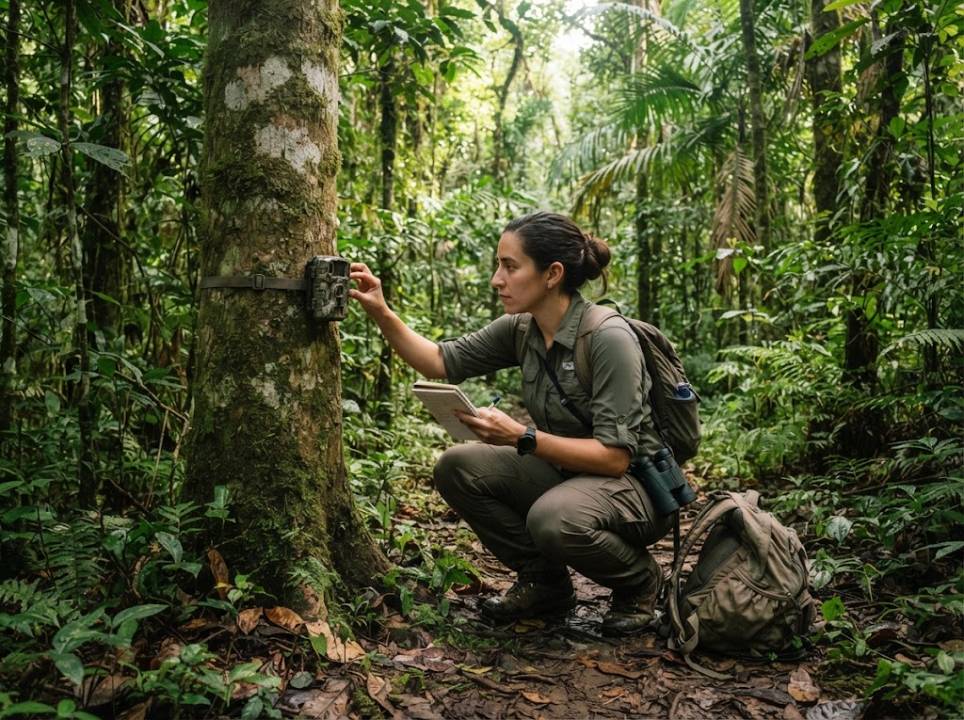
A camera trap in the Congo Basin captures a species behavior never recorded before, and within days a team of researchers on three continents is discussing the footage, comparing it against decades of French-language field notes, and drafting a joint paper. Modern wildlife research rarely happens inside one country or one language anymore, and the paperwork behind that collaboration is more complicated than most people outside the field ever see.
Biodiversity Hotspots Do Not Follow Language Lines
Some of the planet's richest ecosystems sit inside French-speaking countries and regions: the Congo Basin rainforest, Madagascar's isolated biodiversity, and francophone West Africa's savanna corridors all host research stations, field surveys, and conservation programs that generate enormous volumes of data and documentation in French. A researcher in Canada, the UK, or the United States who wants to build on that work needs it translated accurately, not summarized loosely.
Organizations such as the International Union for Conservation of Nature coordinate species assessments that draw on field data from dozens of countries, and the accuracy of a threat classification can depend on whether a translated field report correctly captured a nuance in local observation notes.
Why Loose Translation Is a Real Research Risk
Scientific writing depends on precision that casual translation often flattens. A term describing population trend, "stable," "declining," or "data deficient", carries specific methodological weight in conservation science. A translator without domain background can render technically correct sentences that still blur these distinctions, which matters enormously when the resulting document feeds into a conservation status assessment or funding proposal.
This is why research institutions increasingly build relationships with french translation services that pair linguists with scientific reviewers rather than relying on general-purpose translation for field reports, grant applications, and peer-reviewed manuscripts. When a paper is headed for publication or when data will inform a policy decision, teams look specifically for certified french translation services that can stand behind the accuracy of technical terminology under scrutiny.
Collaboration Is Only as Good as the Shared Language
Joint conservation projects between anglophone and francophone institutions often stall not because of disagreement over science, but because of miscommunication buried in translated correspondence. A grant deadline described ambiguously, a permit requirement translated too loosely, a memorandum of understanding with a subtly different meaning in each language version, all can derail a partnership that took years to build.
Research consortiums that handle this well build translation review into their project timeline from the start rather than treating it as a final step before publication. They also maintain glossaries of species names, methodology terms, and conservation status categories to keep language consistent across every document a partnership produces, much the way legal teams manage defined terms in contracts.
What Smaller Research Teams Can Learn From This
University labs and small NGOs without a large budget for professional translation can still apply the same principles at a smaller scale. Building a shared glossary of key terms before a collaboration begins, routing any document headed for publication through a subject-matter translator rather than a generalist, and building in time for a second reviewer to check translated methodology sections all cost relatively little compared to the risk of a flawed dataset entering the published record.
As conservation science becomes more international by necessity, the labs producing the most reliable cross-border research tend to be the ones treating translation as part of their methodology, not an administrative afterthought handled after the real science is done.
Where Institutional Support Is Filling the Gap
Some research bodies have started building translation capacity directly into their international programs rather than leaving it to individual researchers to arrange. The French National Centre for Scientific Research supports numerous joint biodiversity programs across francophone Africa and maintains institutional relationships that help keep terminology consistent across the partner institutions involved, rather than leaving each lab to solve translation on its own.
Smaller collaborations rarely have that kind of institutional backing, which is exactly why individual research teams benefit from establishing their own translation standards early. A single shared glossary document, agreed upon before the first field season begins, can prevent months of confusion later when reports, permits, and manuscripts all need to align on the same terminology across two languages.
The broader trend is unmistakable: conservation science is becoming more collaborative and more international at the same time that the ecosystems most in need of study sit inside regions where a single research language was never realistic. Labs that invest early in translation quality tend to publish faster, face fewer disputes over data interpretation, and build partnerships that last longer than a single grant cycle.
None of this requires reinventing how research teams operate. It simply requires recognizing translation as part of the scientific process rather than a clerical task squeezed in after the fieldwork ends, especially when the accuracy of a single translated term can shape how a species is classified or how a conservation program is funded.